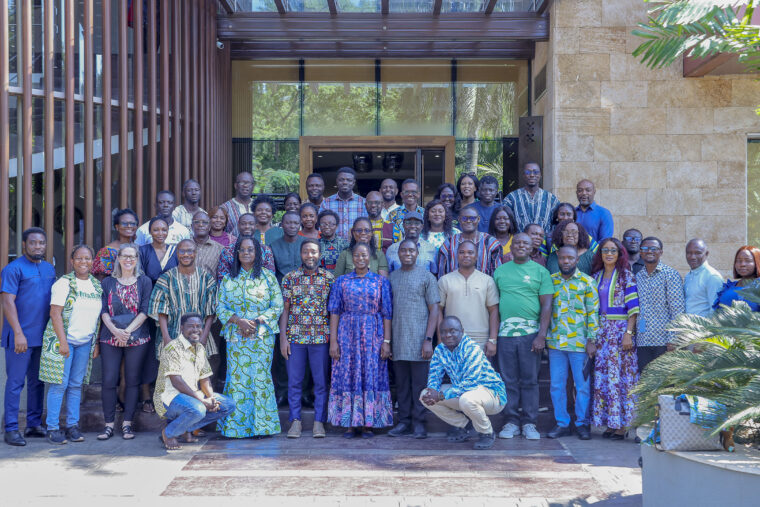
The Nkabom Collaborative convened representatives from its partner institutions for a multi-day retreat focused on reviewing progress, strengthening partnerships and identifying priorities for the next phase of implementation.
Bringing together partners from, Ashesi University, Kwame Nkrumah University of Science and Technology, Koforidua Technical University, the University of Environment and Sustainable Development, the University of Ghana, the University of Health and Allied Sciences, the Association of Ghana Industries, McGill University and the Mastercard Foundation, the retreat provided an opportunity to step back and reflect on the Collaborative’s collective progress. It also offered space for partners to share experiences, discuss implementation challenges and consider how their respective contributions can work together to advance opportunities for young people across Ghana’s agrifood sector.
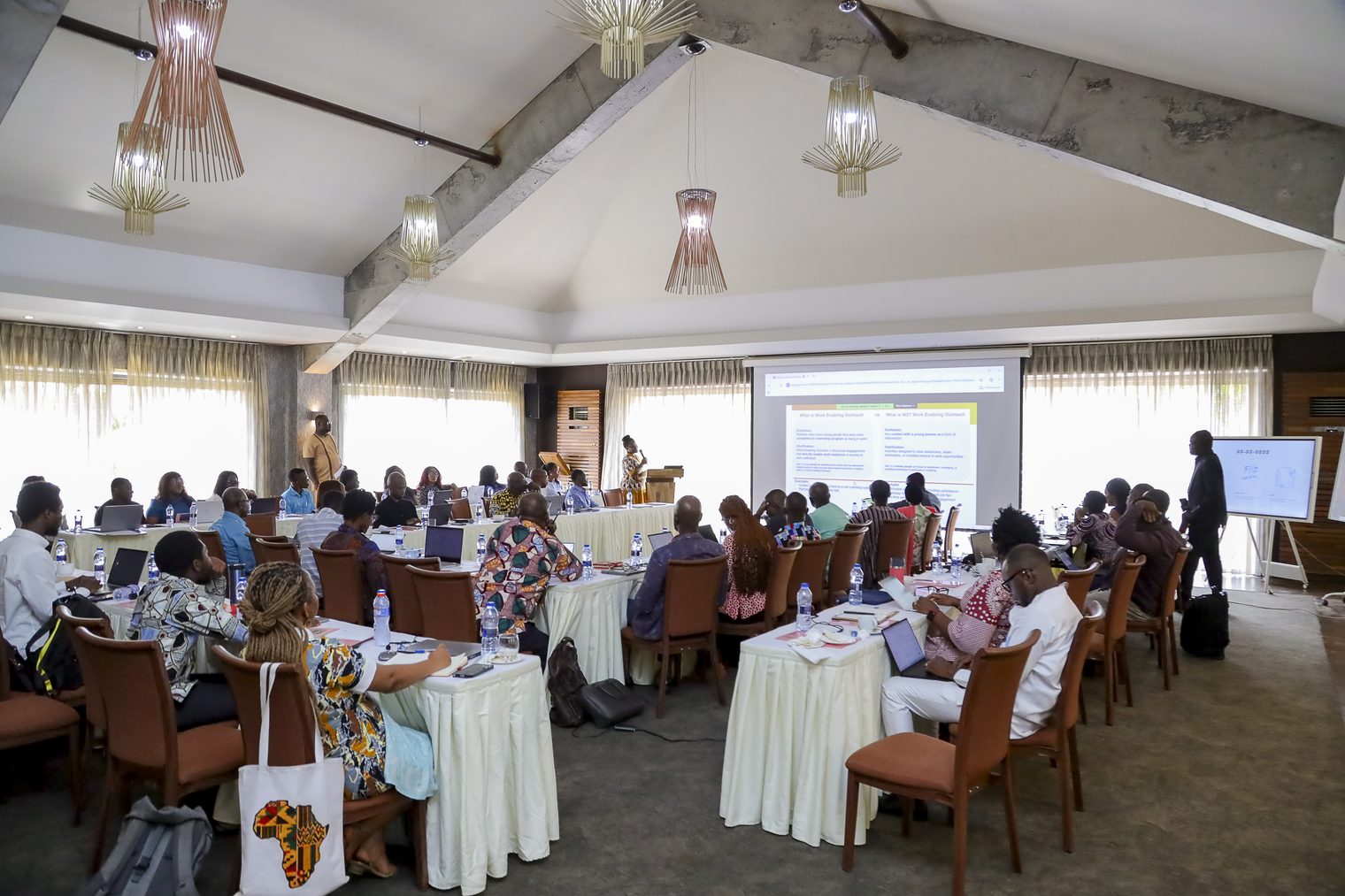
A central theme throughout the discussions was the importance of connecting education and skills development to meaningful employment opportunities. While expanding access to education and training remains essential, partners emphasized that the ultimate measure of success is the difference these opportunities make in the lives of young people. This means looking beyond participation numbers and programme outputs to better understand whether graduates are gaining relevant skills, finding meaningful work, building businesses and developing sustainable livelihoods.
The retreat also explored how the Collaborative can strengthen its approach to measuring and communicating impact. Discussions highlighted the importance of tracking young people’s progress beyond their initial participation in programmes, recognizing that outcomes such as employment, income growth and entrepreneurship often take time to materialize. The discussions stressed the value of combining quantitative measures with the experiences and perspectives of young people themselves, while considering the broader effects of the initiative on households, communities and partner institutions.
As emphasized during the presentation on the Mastercard Foundation’s Impact Reporting Framework, the focus must extend beyond the number of young people reached or trained to the lasting changes taking place in their lives:
“Our success should not be measured only by the number of young people we reach or train, but by the lasting changes we help make possible in their lives. We need to understand whether young people are gaining the skills, confidence and opportunities to build meaningful livelihoods.”

Another important part of the retreat involved examining activities across the agrifood value chain, from production and processing to distribution, commercialization and food services. By looking at the work taking place across institutions and areas of focus, partners had an opportunity to identify common priorities, potential areas of overlap and opportunities to address gaps. This collective perspective is particularly important in a sector where sustainable employment depends on connections between education, industry, entrepreneurship and access to markets.
Beyond reviewing progress, the retreat reinforced the value of collaboration as the foundation of the Nkabom initiative. Each partner brings distinct expertise, institutional strengths and relationships with young people and industry. Creating opportunities to learn from one another and align efforts will be essential to maximizing the reach and long-term impact of the initiative.

The conversations and recommendations emerging from the retreat will help inform the Collaborative’s ongoing strategic planning and implementation. As partners continue to work together, the focus remains on building stronger pathways between education and employment, supporting youth-led enterprise and creating opportunities for young people, particularly women and those facing barriers to participation, to contribute to Ghana’s agrifood future.
Ultimately, the retreat was an opportunity to reaffirm a shared commitment: that meaningful progress in Ghana’s agrifood sector requires sustained partnerships, coordinated action and a continued focus on the aspirations and potential of young people.