After months of building his business, finding customers, and refining his product, Dickson Gyabaa, a young entrepreneur operating a nutritious snack business, was close to securing an investment that could take his company to the next level. There was interest in the product. There was a market. There was a willing investor.
But there was one problem: the business did not have certification from the Food & Drugs Authority. As a result, the deal stalled.
Dickson’s experience points to an overlooked challenge when we talk about supporting young entrepreneurs. Too often, a lack of regulatory knowledge comes at a real cost for young entrepreneurs: investments stall, tax incentives go unclaimed, penalties accumulate, and promising businesses struggle to enter larger markets.
This is a gap the Nkabom Collaborative at the University of Ghana is working to address.

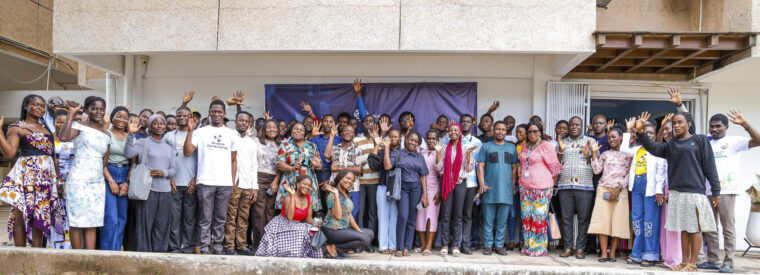
A cross-section of young entrepreneurs
Nkabom supports young entrepreneurs with the knowledge, skills, networks, and resources they need to turn ideas into viable and growing ventures in Ghana’s agrifood system. That includes helping entrepreneurs understand not only how to build a business, but also how to navigate the systems that shape its growth.
The Nkabom Regulatory Day was designed with this in mind.
The initiative brought young entrepreneurs into direct conversation with representatives of key regulatory institutions, including the Food and Drugs Authority (FDA), the Office of the Registrar of Companies (ORC), and the Ghana Standards Authority (GSA). Facilitators from the Ghana Revenue Authority (GRA), Social Security & National Insurance Trust (SSNIT), Afriventure Lab, and academic experts from the University of Ghana also contributed to the sessions.
Rather than receiving regulatory education as information to read and interpret on their own, participants had the opportunity to ask questions about their specific businesses and understand what they needed to do next.
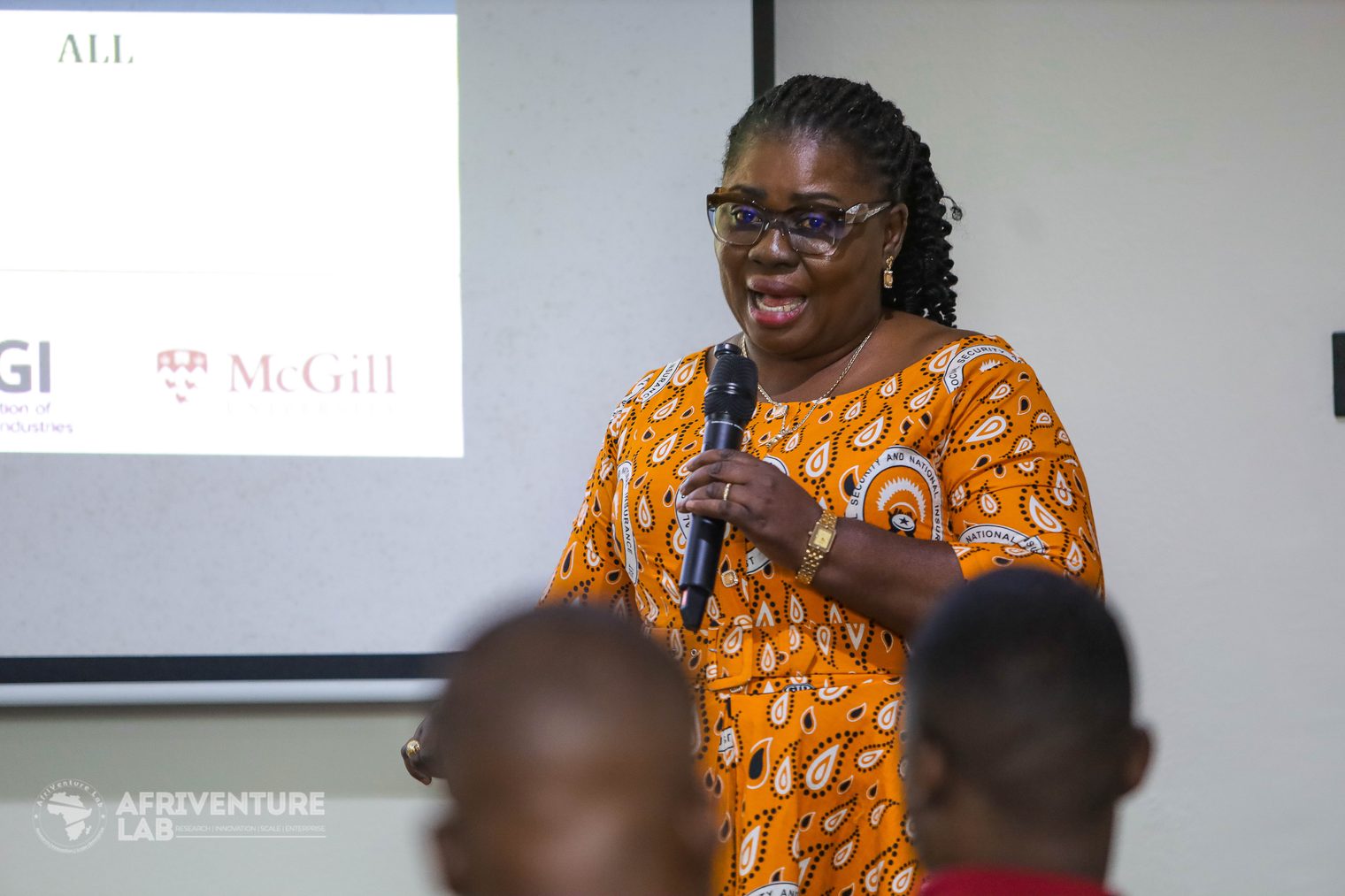
An official from the Social Security & National Insurance Trust (SSNIT), delivering a presentation to young entrepreneurs on pensions
In separate interviews, participants said the Nkabom Regulatory Day broadened their understanding of the compliance requirements applicable to their businesses and exposed them to guidance they could not easily access on their own.
For Sandra Phobe, founder of Sandie’s Hair Growth Oil, the tax compliance session provided the much-needed information she required all this while. « I am really fortunate to participate in the tax compliance session. I didn’t know how my business would pay tax or what tax compliance meant for my business, » she said.
Emmanuel Nti, who operates a food-processing business, said engaging directly with the FDA helped him understand exactly what to do next. « Coming here has truly helped me to interact with the FDA because my business is in food processing. Now I know the procedure to go through to have my business approved by the FDA, and I am so happy to start the process, » he said.
And Deborah Asante, a student at the University of Environment and Sustainable Development (UESD), shared that the initiative deepened her financial literacy and regulatory knowledge. « I interacted with the FDA and the GSA. With the FDA, I learned how my fruit juice business can get certification, which will pave the way to sell my products in supermarkets and malls, » she said.
For Dickson, that knowledge could determine whether the next investment opportunity moves forward. For Emmanuel, it has given him a clear next step toward FDA approval. For Deborah, it has brought her closer to her ambition of getting her products onto supermarket shelves.
The Nkabom Regulatory Day was therefore more than a day of learning about regulations. It was about giving young entrepreneurs something they need to move from promise to growth: a clearer understanding of how to navigate the rules, institutions and opportunities that shape the businesses they are building.
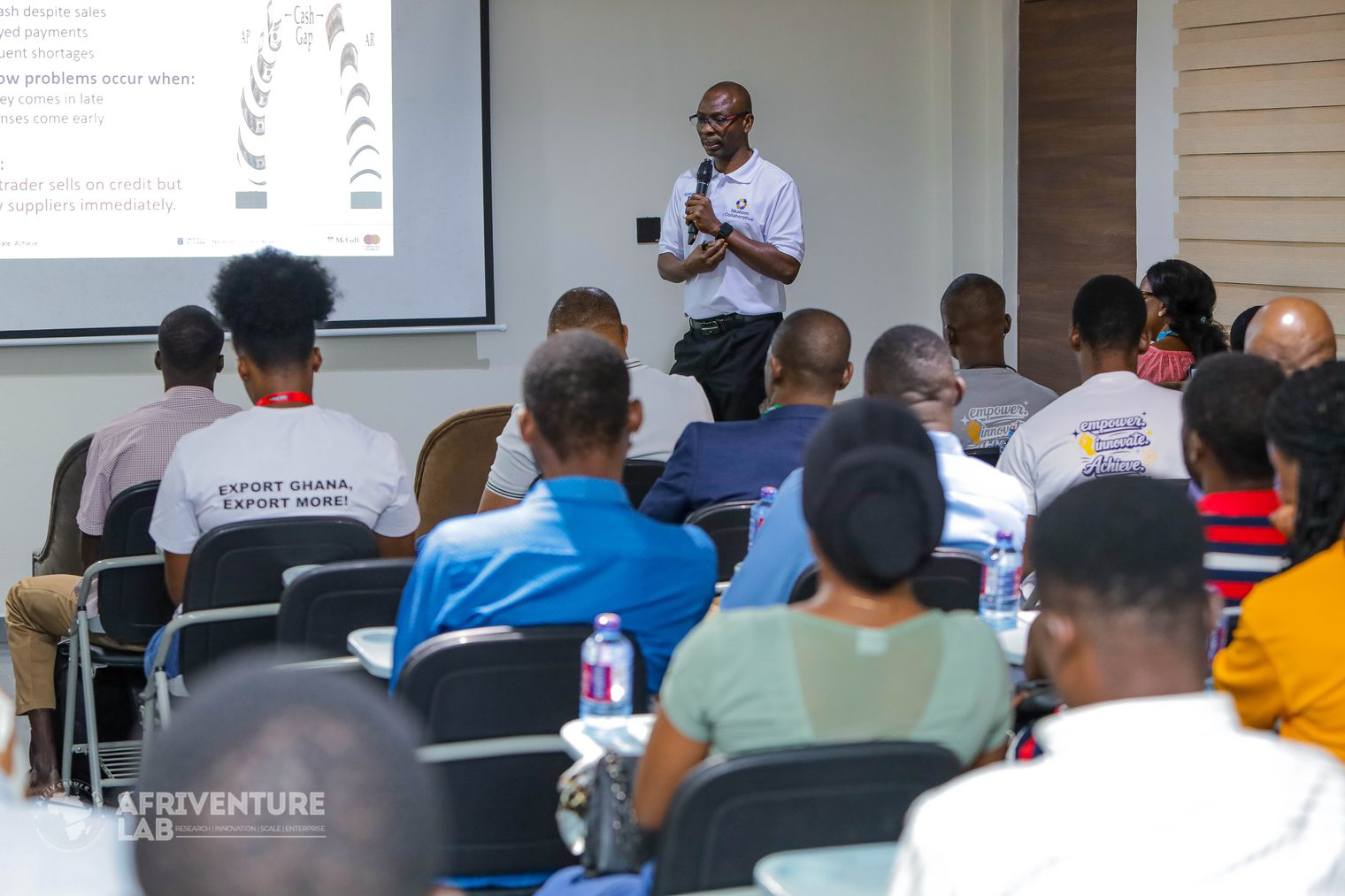
A facilitator from the Nkabom Collaborative delivering a presentation to young entrepreneurs

University of Ghana
The University of Ghana (UG), located in Legon just northeast of Accra, is Ghana’s oldest and largest public university. Established in 1948, UG is center of academic excellence and research on the African continent. With a student population of over 60,000 across its main campus and satellite campuses, UG offers a wide range of undergraduate […]