Why “Nkabom”?
“Nkabom” [n-KAH-bohm]
“Nkabom” translates to “togetherness” or “unity” and originates from the Akan language of Ghana. It emphasizes the importance of coming together, connecting, and working collectively towards a common goal.
Akan language • Ghana
Nkabom’s Foundation
Vision, Goals, Values and Methods
Born from a commitment to inclusive, sustainable, and youth-led transformation, the Nkabom Collaborative brings together visionary institutions and local leadership to reimagine Ghana’s agrifood and nutrition system.
Our Vision
The partners of the Nkabom Collaborative are working together guided by a shared vision to:
Our Goals
This Collaborative builds on existing institutional strengths and partnerships to ensure that African leadership, expertise, and lived experience remain central to our approach. Through a networked model, we are reaching across sectors and borders, bridging education, research, industry, and community, to address challenges related to food security, youth unemployment, and nutrition.
- Education
- Research
- Industry
- Community
- Youth unemployment
- Nutrition
Capacity building
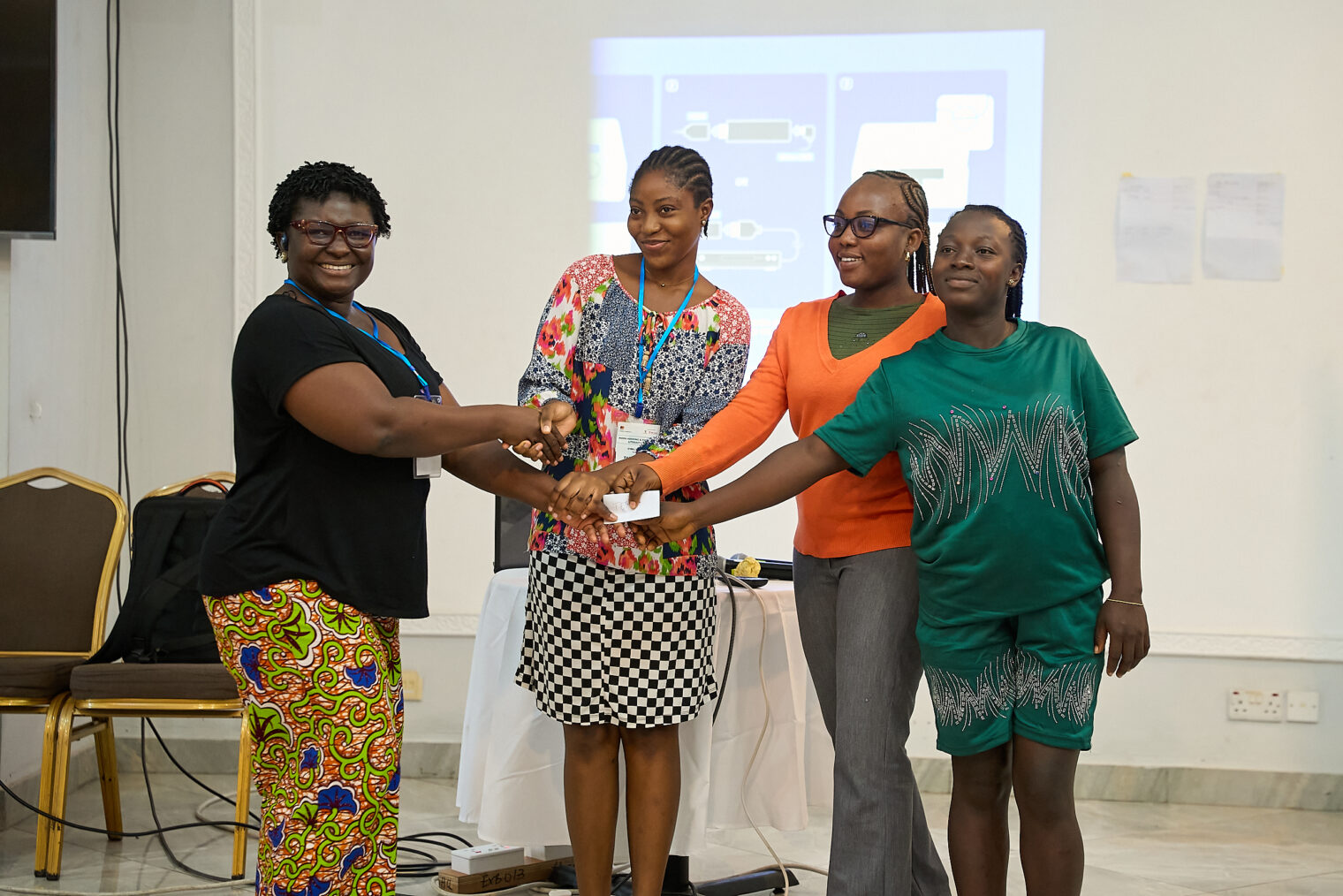
Build the capacity of Ghana’s higher education institutions to deliver hands-on, relevant training in sustainable agriculture and nutrition, empowering youth to address national priorities in food security, climate adaptation, and public health.
Our Value
As a Collaborative, we strive to live by these values to guide our engagement:
Togetherness (Nkabom)
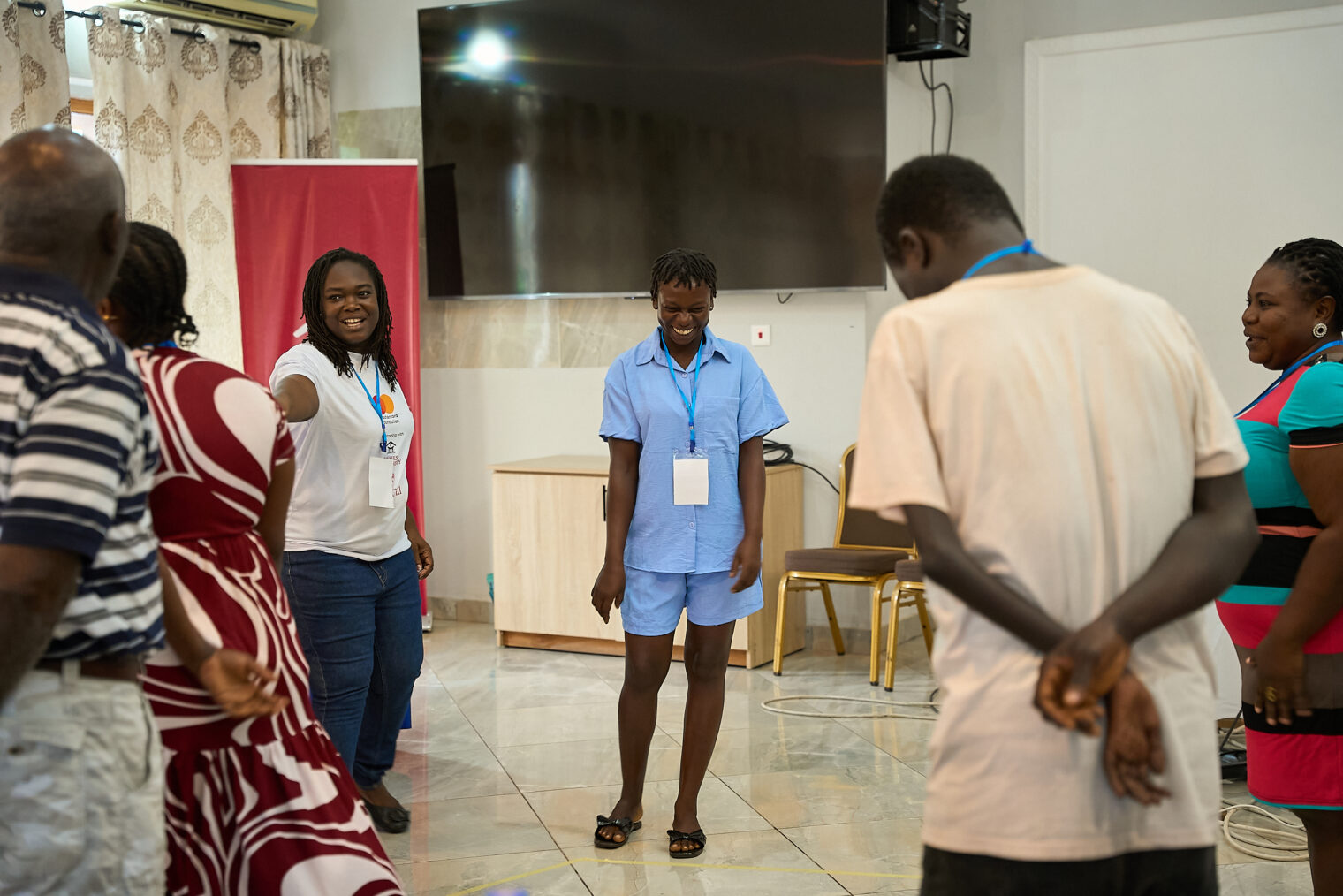
We believe in the power of unity, shared purpose, and co-creation. Our name, Nkabom, meaning “togetherness” in Akan, reflects our core commitment to building collaborative relationships grounded in mutual trust, respect, and collective leadership
Equity
We apply an equity lens across all activities to ensure fair access, representation, and outcomes for all.
Accountability
We commit to transparency, continuous learning, and measurable impact. We hold ourselves accountable to our communities, partners, and the youth we serve, ensuring our work delivers meaningful, lasting change and adapts responsively to emerging needs and insights.
Ethics
We uphold integrity and transparency across all activities, including research, recruitment, selection, and procurement, ensuring practices are fair, responsible, and community conscious.
Reciprocity
We foster ongoing, multi-directional engagement across the Collaborative. Our programs and processes are designed to ensure that all partners, whether institutiions, communities, or young people, contribute to and benefit from shared knowledge, leadership, and results.
Our Methods
Our work is closely aligned with the Mastercard Foundation’s Young Africa Works Strategy, which envisions dignified and fulfilling work for 30 million young people across Africa by 2030. It is also informed by the Comprehensive Africa Agriculture Development Programme (CAADP), the African Union’s flagship framework for agricultural transformation, food and nutrition security, and economic growth. CAADP emphasizes inclusive, sustainable agriculture-led development, with a focus on improving livelihoods, increasing productivity, and creating jobs, especially for youth and women.
We also contribute directly to 10 of the 17 United Nations Sustainable Development Goals (SDGs), including goals related to poverty reduction, zero hunger, health, quality education, gender equality, decent work, innovation, reduced inequalities, responsible production, and climate action.
Together, these strategies shape our shared commitment to empowering youth as agents of change in resilient, nutrition-sensitive agrifood systems.
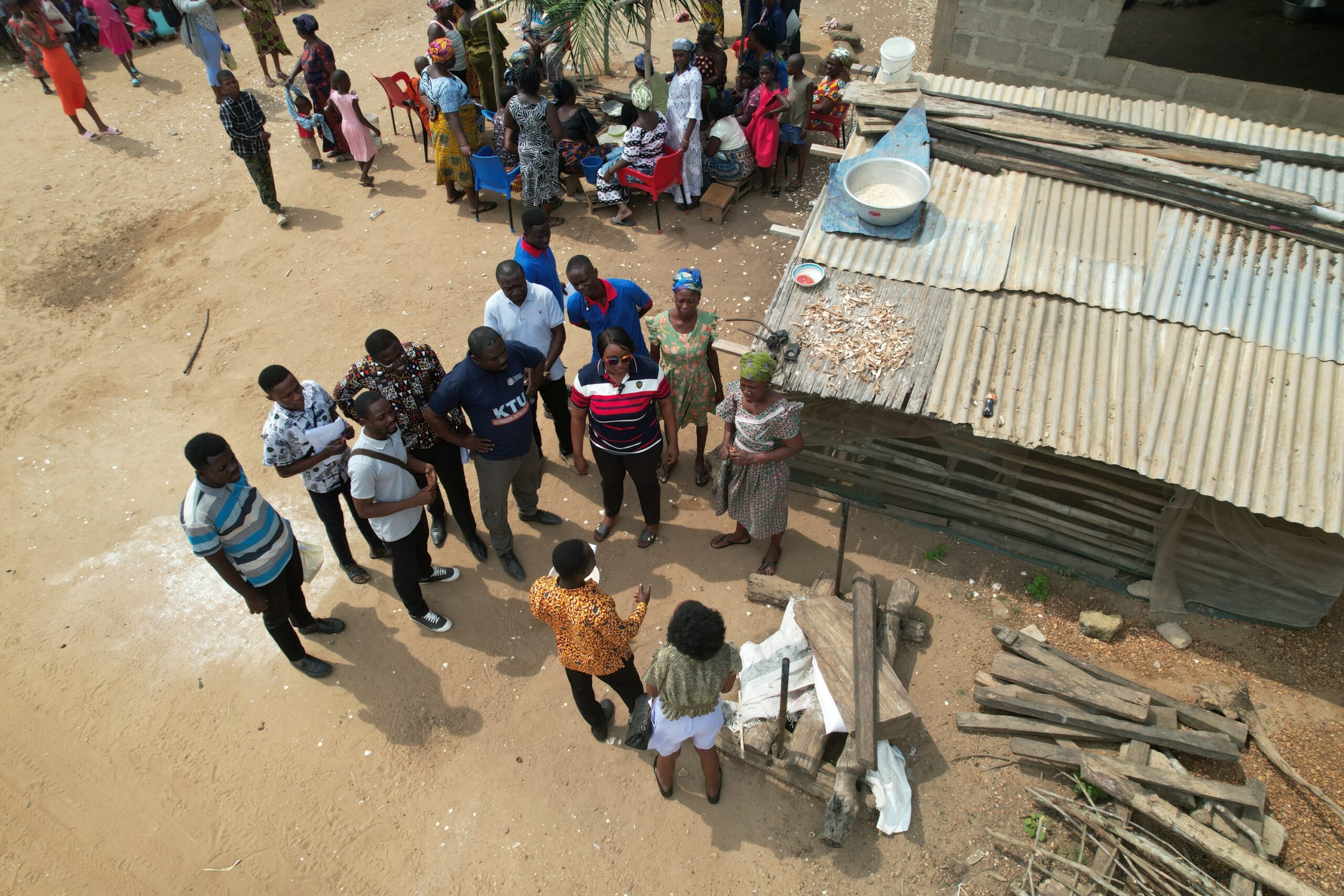
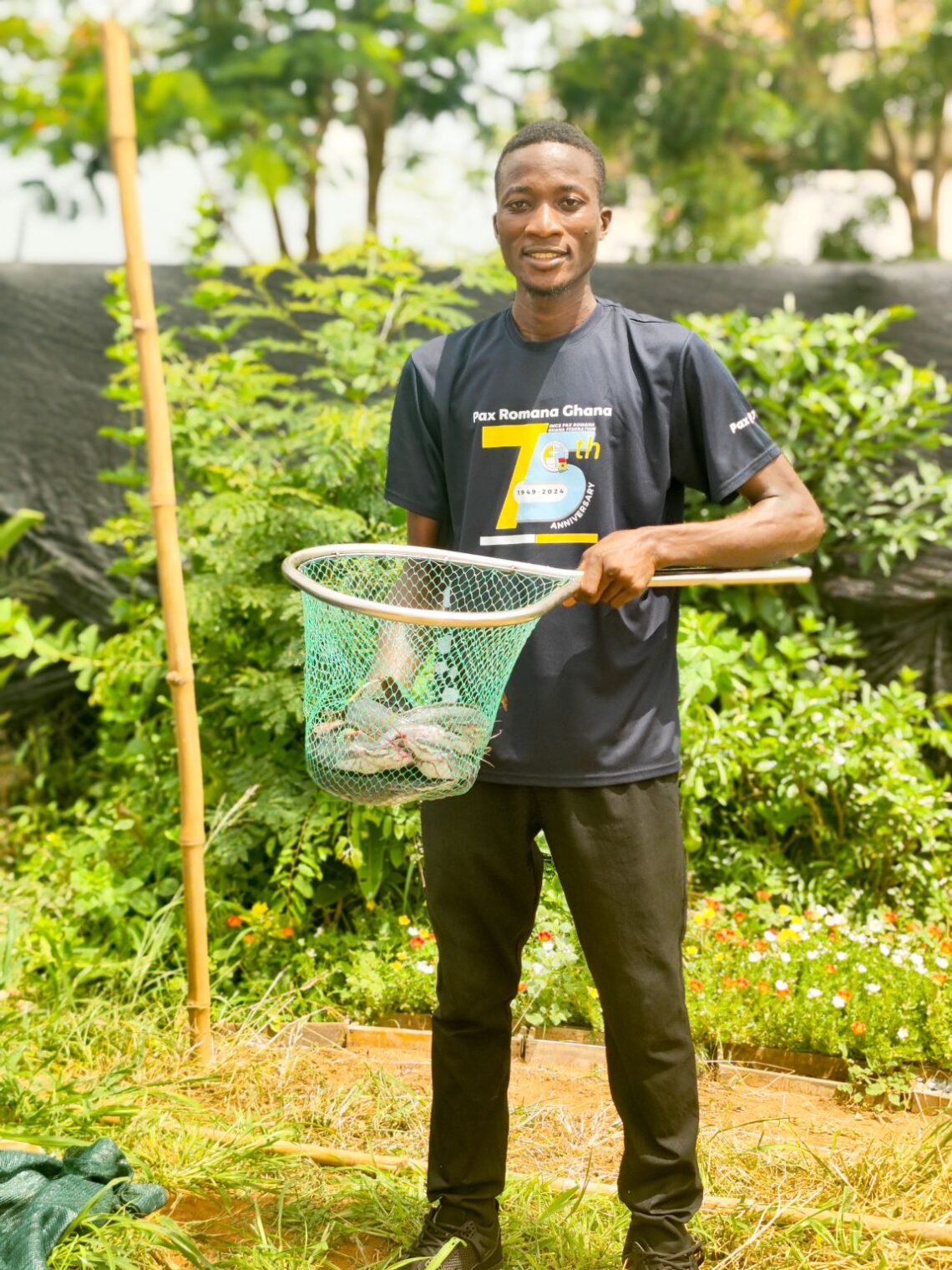
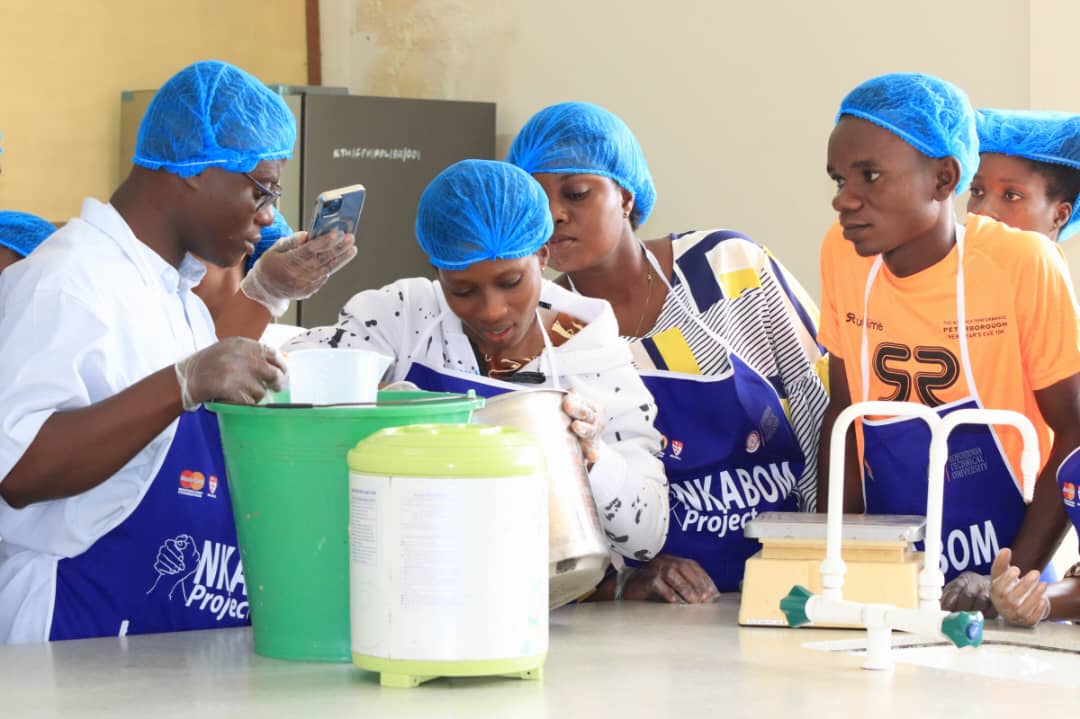
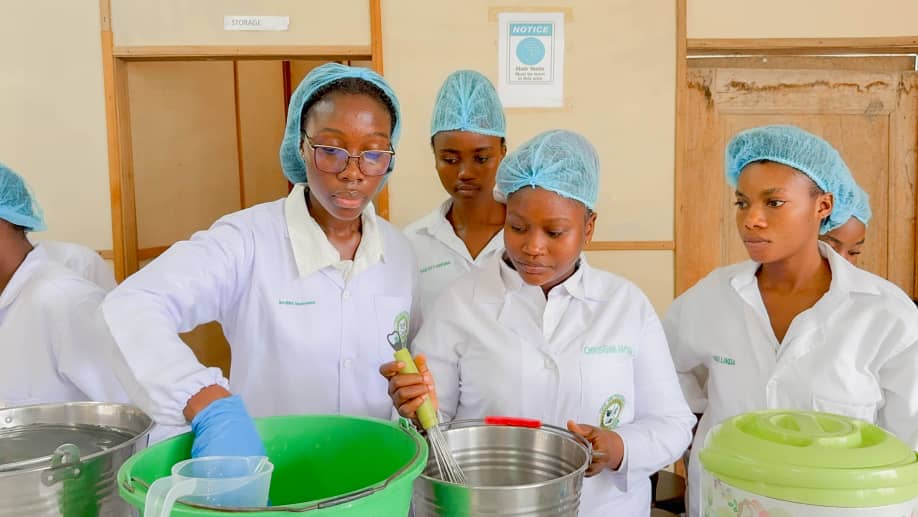
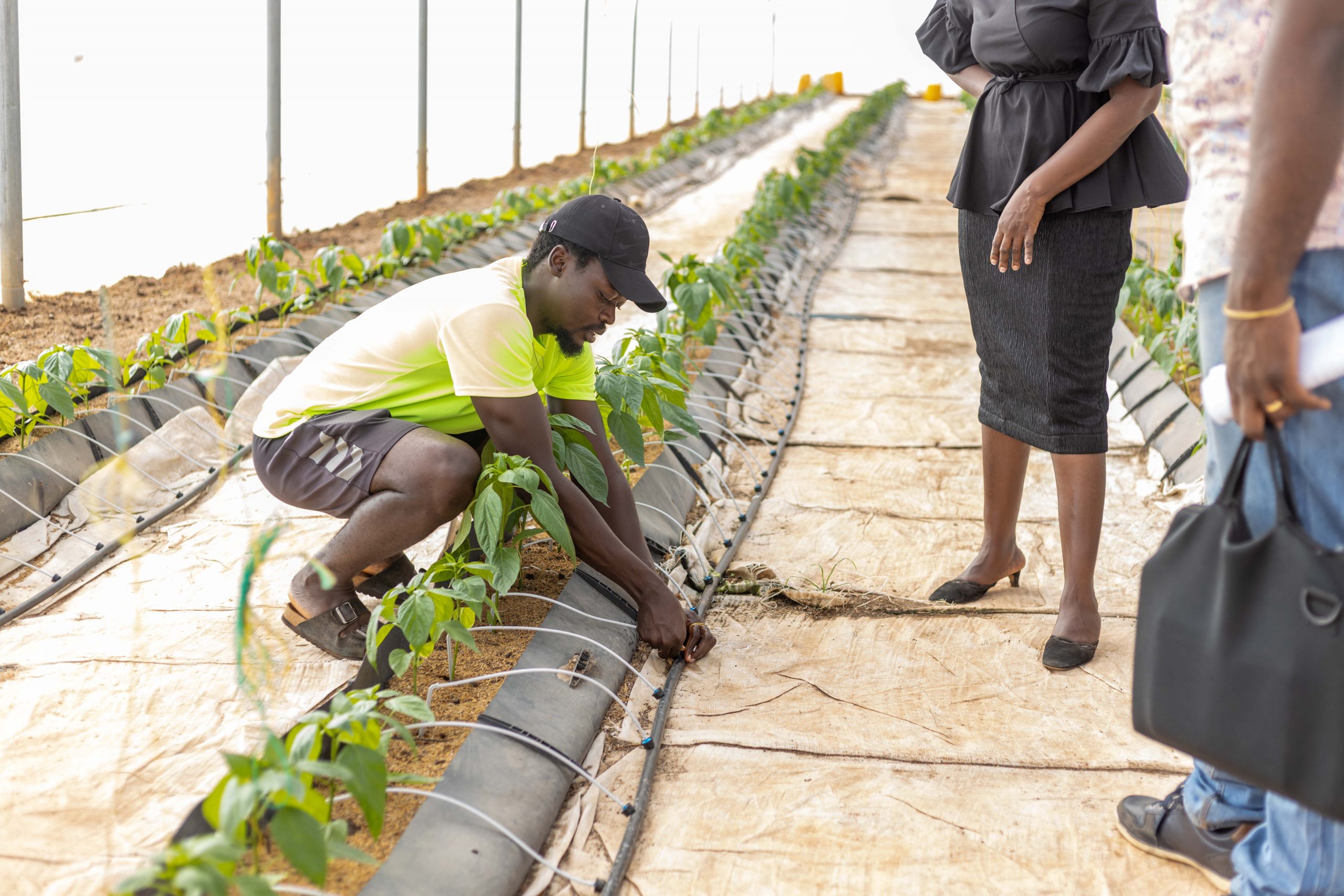
Our programs focus on practical, community-based learning, from climate-smart agriculture and nutrition innovation to business incubation and policy development. Central to our approach is a shift away from traditional, theory-based education toward experiential learning. By embedding real-world practice into every program, we equip youth with the tools and credentials for meaningful employment and entrepreneurship.
Aligned with our three strategic pillars, education, access and success, and entrepreneurship, Nkabom aims to expand high-quality training, create dignified work opportunities, and support youth-led innovation that fuels inclusive growth across Africa.


Explore the Pillars
Our Strategic Pillars
To drive meaningful change, the Nkabom Collaborative focuses on three strategic pillars that guide all our programs and partnerships. Together, these pillars prepare Ghana’s youth to lead the transformation of agrifood and nutrition systems through experiential learning, community-based research, entrepreneurship, and innovation.
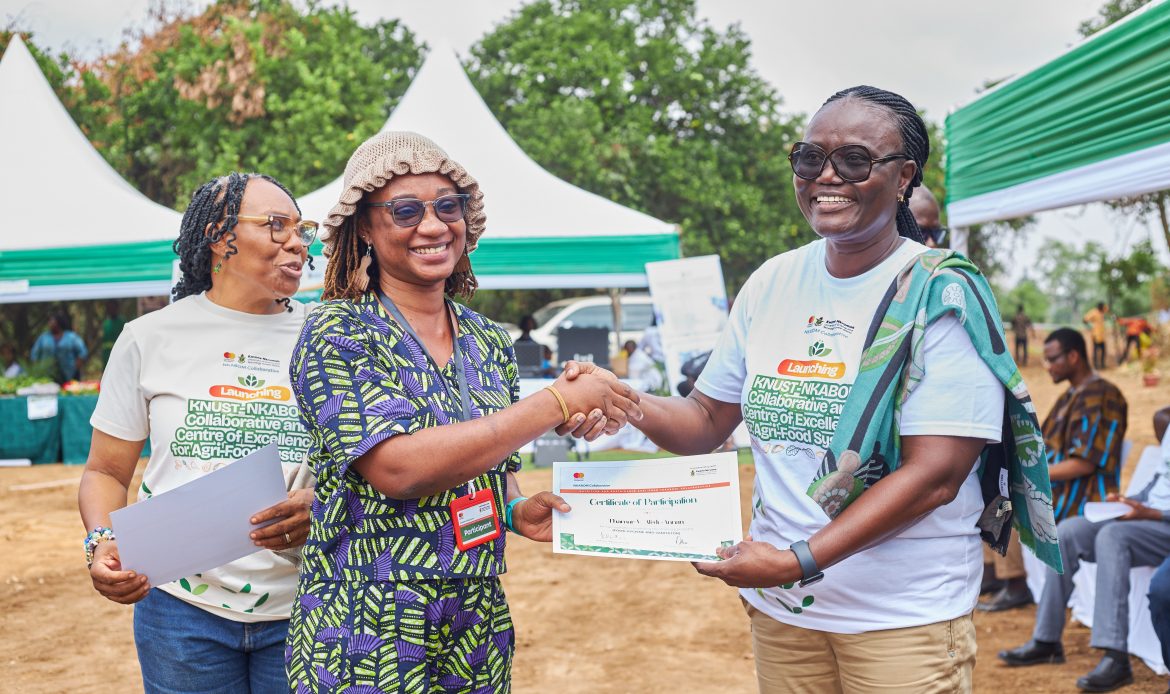
Our work aligns with the Mastercard Foundation’s Young Africa Works Strategy by creating pathways for youth to gain skills, secure dignified and fulfilling work, and launch enterprises in the agrifood sector.
It supports the Comprehensive Africa Agriculture Development Programme (CAADP) by advancing sustainable, agriculture-led growth that improves livelihoods, increases productivity, and creates employment, particularly for youth and women. We also contribute directly to 10 of the 17 United Nations Sustainable Development Goals (SDGs), including goals related to poverty reduction, zero hunger, health, quality education, gender equality, decent work, innovation, reduced inequalities, responsible production, and climate action.
Education Pillar: Building Skills and Knowledge
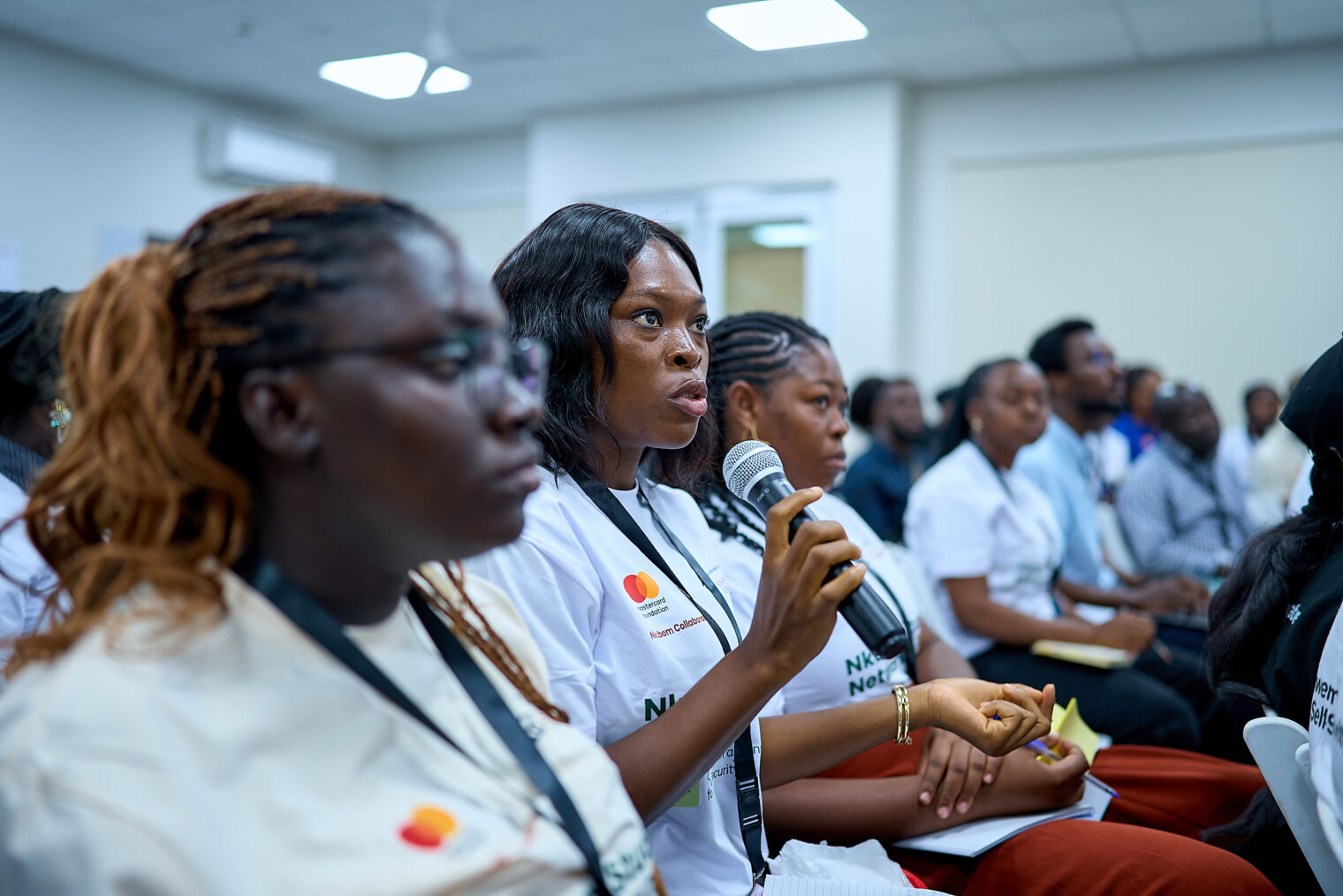
We develop the next generation of agrifood leaders by providing hands-on, experiential learning in climate-smart agriculture, nutrition-sensitive practices, and community-based research. Through curriculum innovation co-created with industry, community, and institutional partners, we ensure training is relevant, practical, and responsive to Ghana’s evolving needs. Our programs build the knowledge and skills youth need to address food security, improve health outcomes, and strengthen climate resilience in Ghana.
Access & Success Pillar: Expanding Opportunities
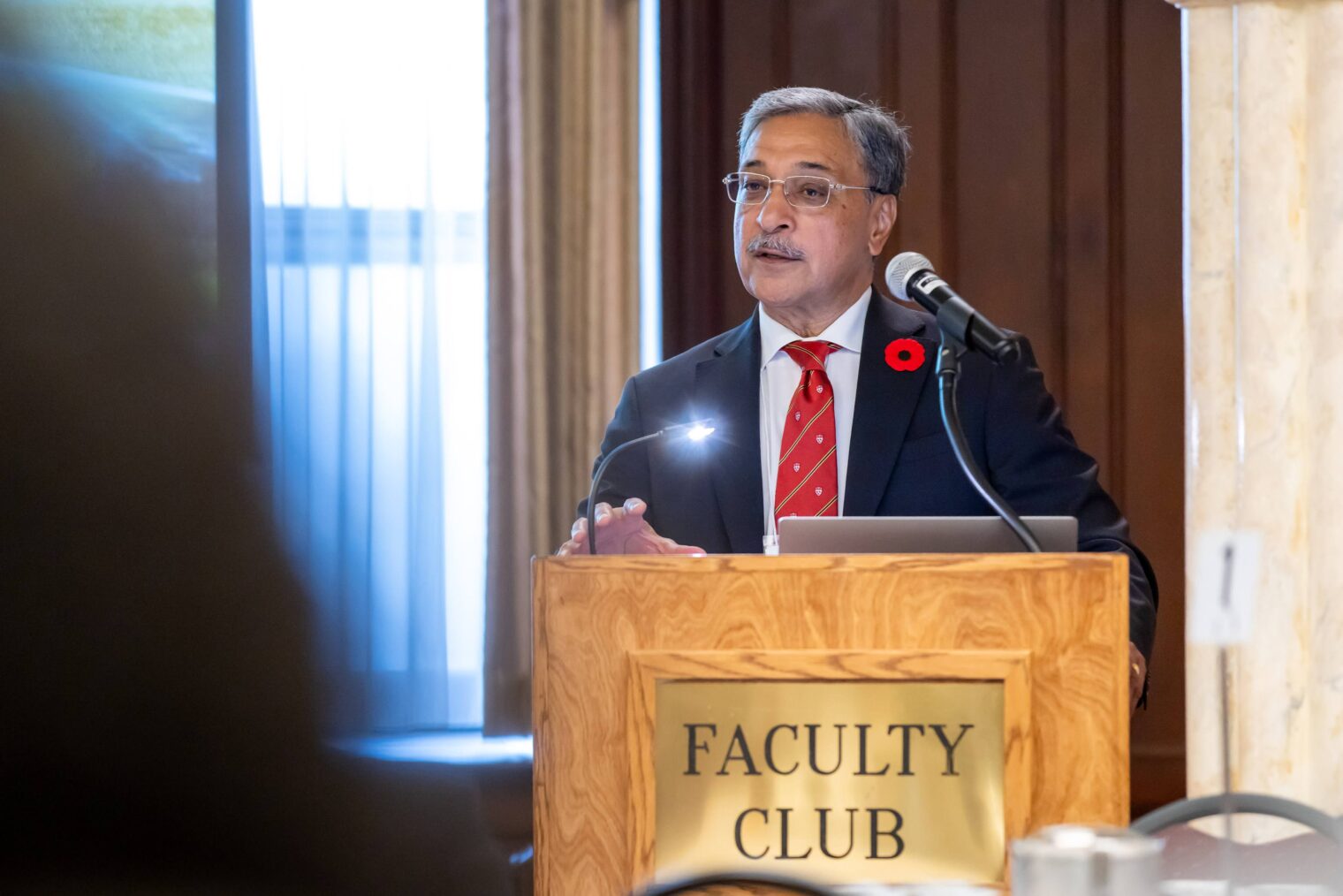
We create inclusive, flexible pathways for young people, especially women, refugees, and persons with disabilities, to thrive in the agrifood and nutrition sectors. We do this by providing scholarships, mentorship, and targeted support that remove barriers to participation and enable youth to complete high-quality training. Our approach ensures that young people can transition into meaningful employment and entrepreneurship, contributing to equitable and resilient food systems in Ghana.
Entrepreneurship Pillar: Driving Innovation and Impact
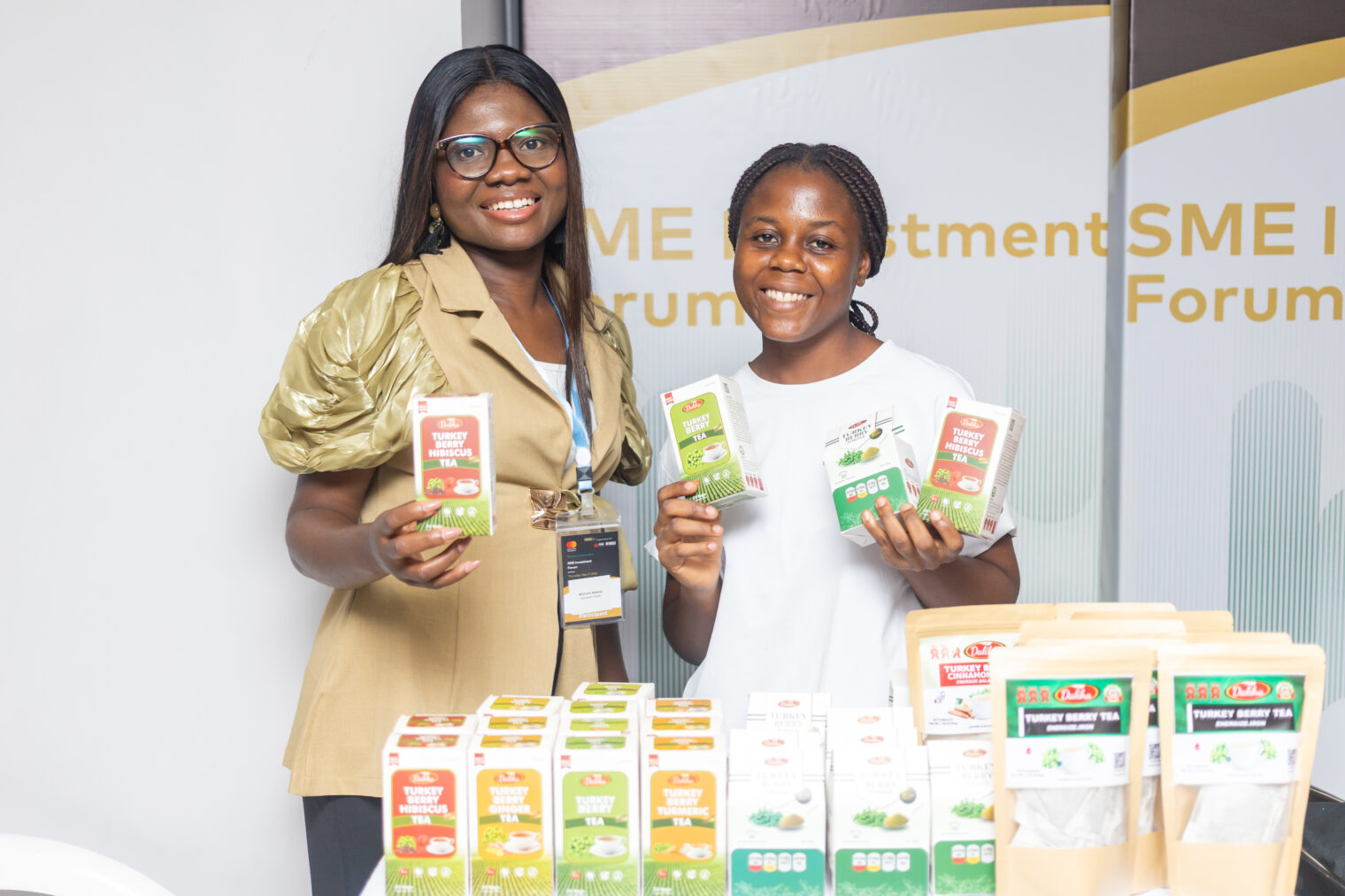
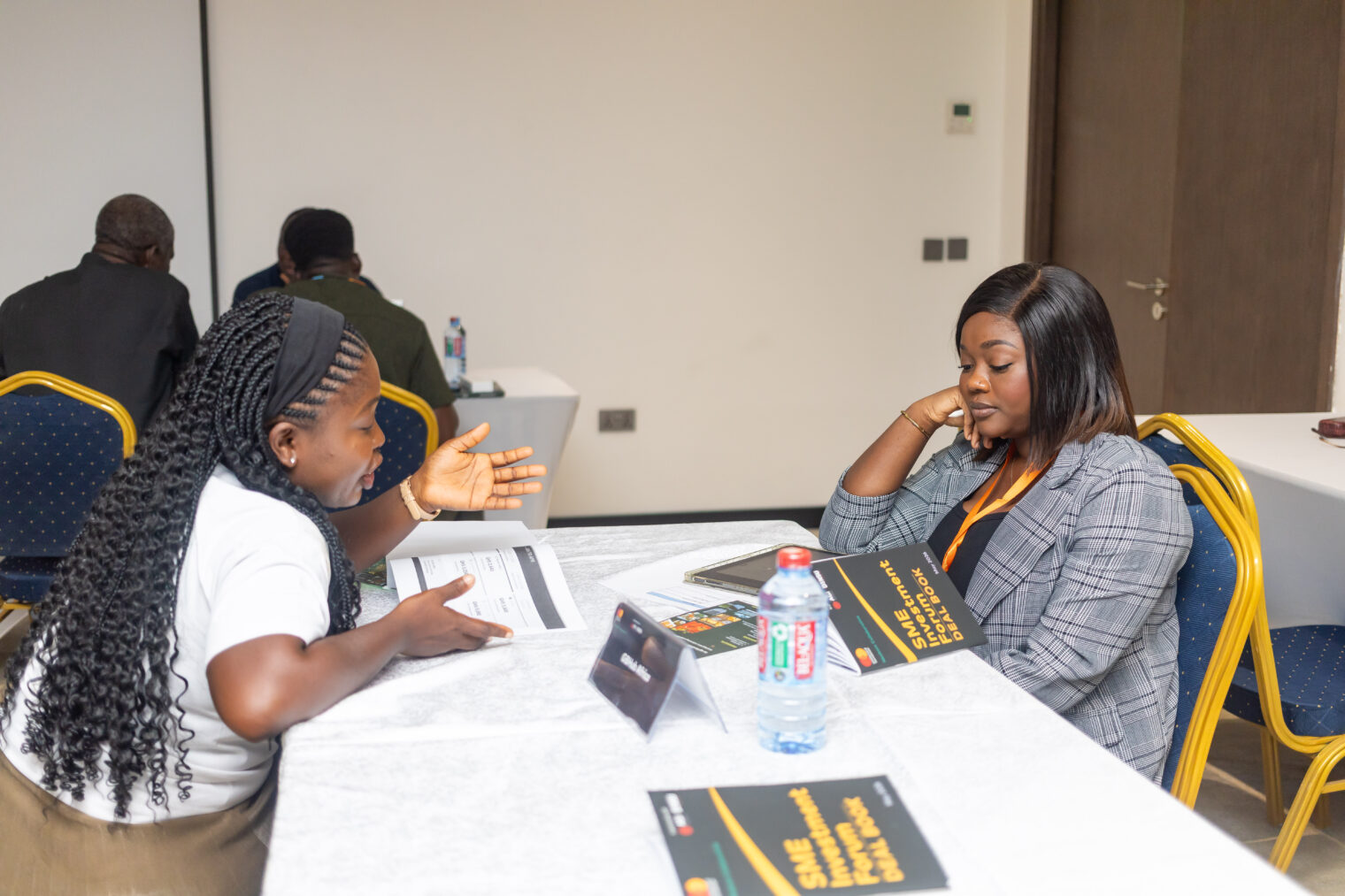
We foster an enabling environment for youth-led innovation and entrepreneurship to address challenges within Ghana’s agrifood and nutrition systems. We achieve this through business incubation, mentorship, policy engagement, and access to networks and markets, helping young people transform ideas into impactful ventures. These ventures create jobs, improve livelihoods, and drive sustainable economic growth in communities across Ghana.