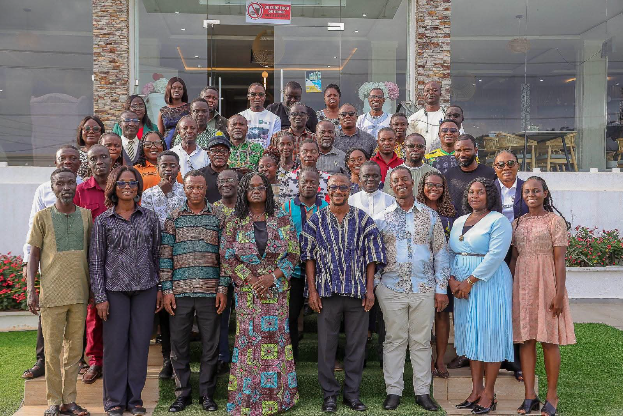
For many communities, issues such as climate change, waste management, food insecurity, and unemployment are daily realities. However, the solutions emerging from research institutions often remain beyond the reach of the people who need them most. The Nkabom Collaborative at the University of Environment and Sustainable Development (UESD) is working to change this narrative by positioning journalists as critical partners in translating knowledge, innovations, and solutions into stories that inspire action.
Through a two-day media sensitisation workshop organised in collaboration with members of the Eastern Region, Ghana Journalists Association (GJA), were equipped with the knowledge and skills to report effectively on green innovation, sustainable food systems, entrepreneurship, and environmental solutions. The workshop, held under the theme “Reporting Green Innovation: Strengthening Media Engagement for Sustainable Development,” forms part of the Mastercard Foundation Young Africa Works initiative being implemented through the Nkabom Collaborative.
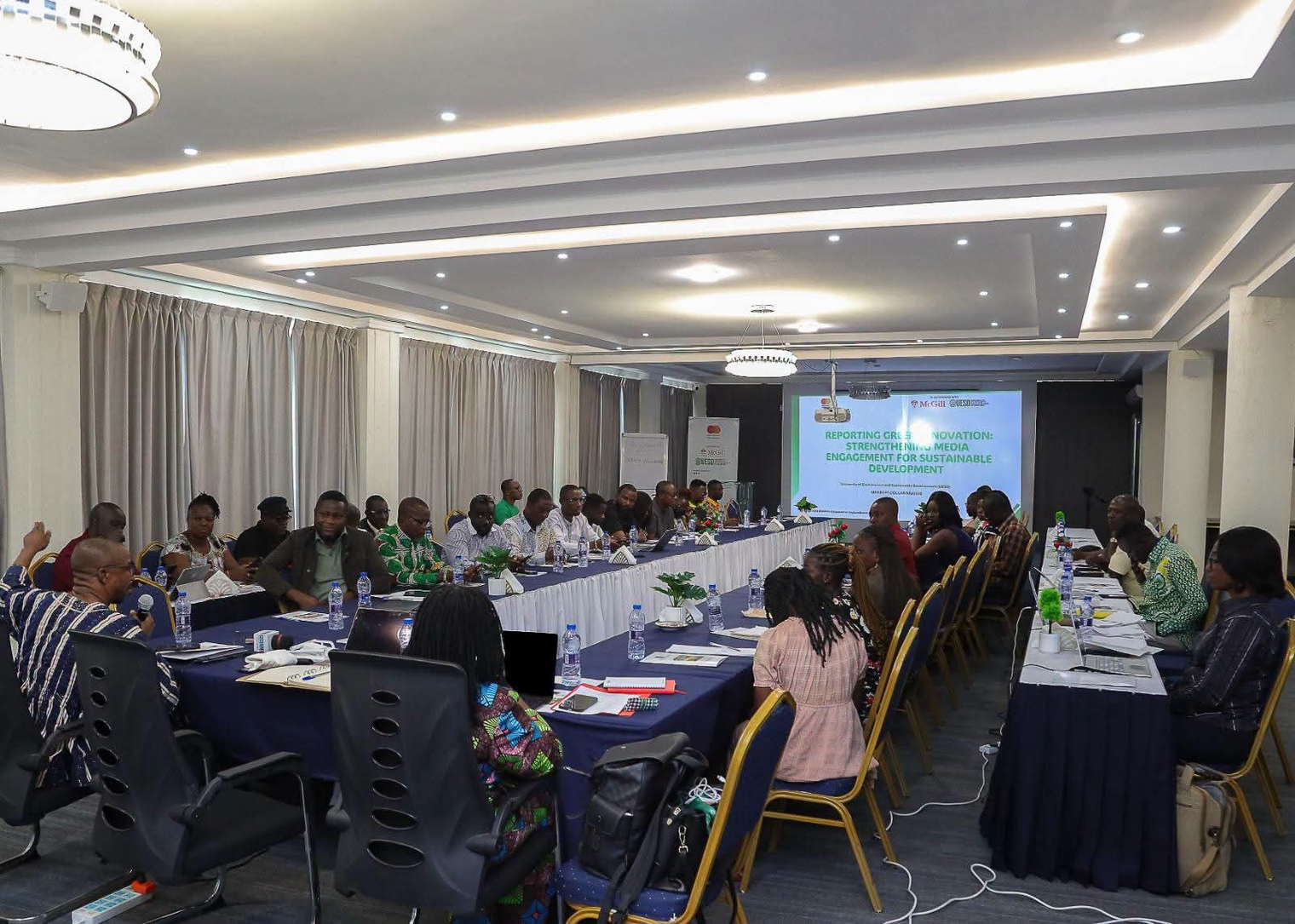
The initiative recognises that sustainable development is not achieved through research and innovation alone. It requires effective communication that connects scientific knowledge with policymakers, investors, communities, and individuals whose lives are directly affected by environmental challenges.
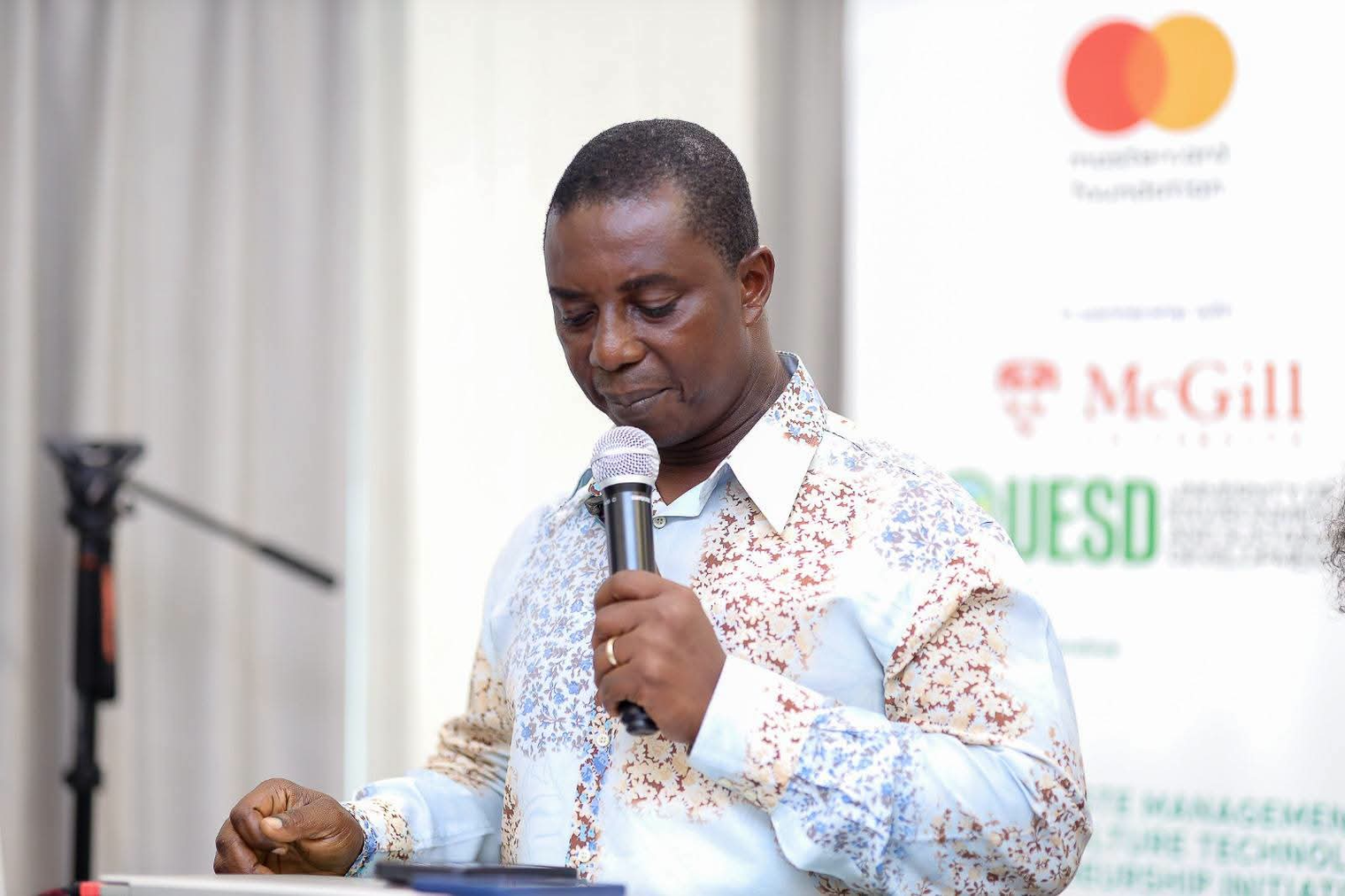
Speaking at the workshop, the Vice-Chancellor of UESD and Principal Investigator of the Nkabom Collaborative, Professor Eric Nyarko-Sampson, highlighted the important role of the media in ensuring that research findings and innovations reach wider audiences.
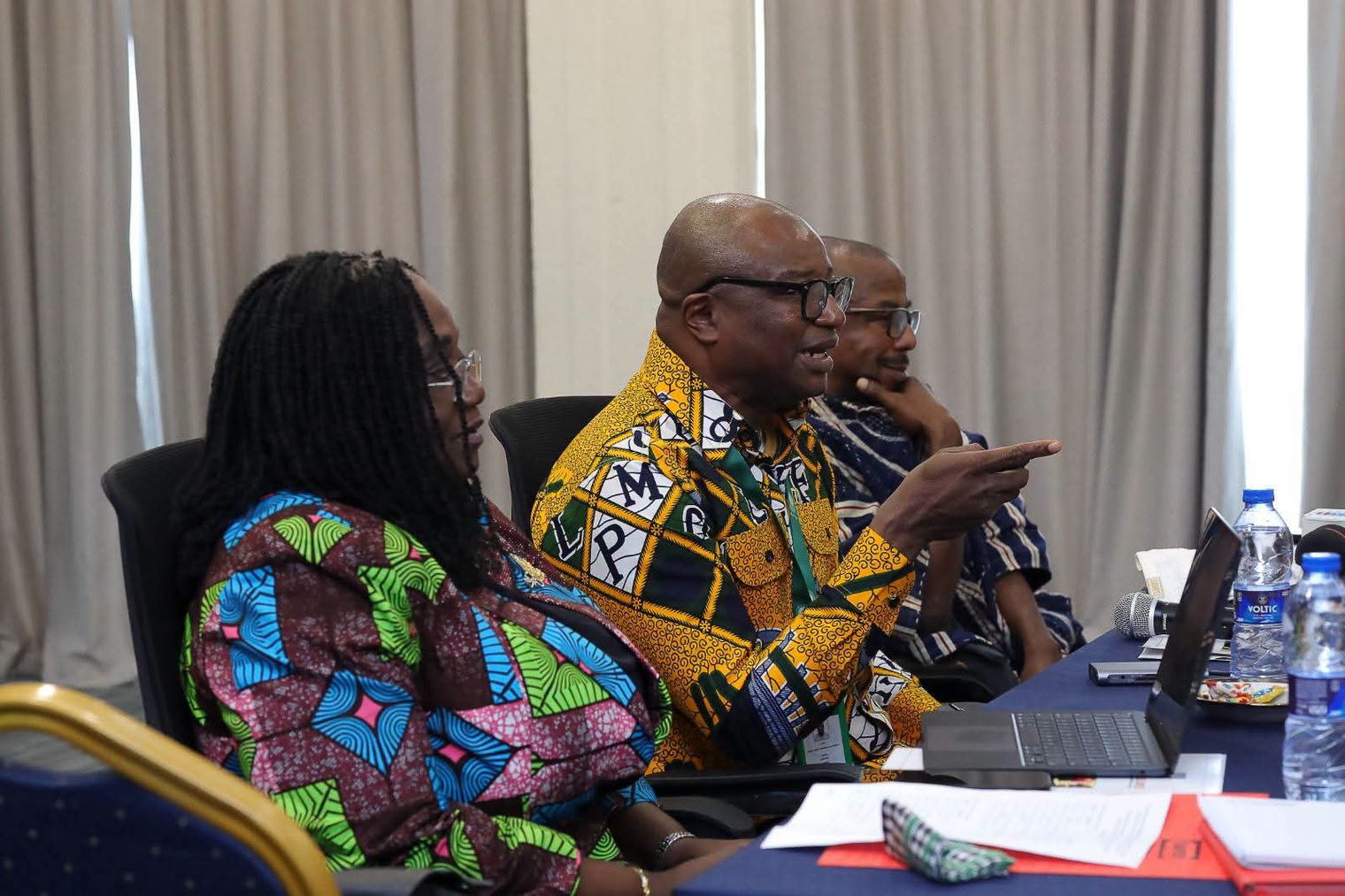
He explained that the Nkabom Collaborative is addressing critical challenges of youth unemployment and environmental degradation through education, entrepreneurship, research, and community engagement. He noted that the initiative has introduced programmes and training opportunities in areas such as Agro-Waste Processing and Aquaculture Technology to equip young people with skills for emerging green industries. “Journalists have a critical responsibility in telling stories that demonstrate how innovation can solve societal challenges and create opportunities,” he emphasised.
The Coordinator of the Nkabom Collaborative at UESD and Pro Vice-Chancellor, Professor Edward Wiafe Debrah, explained that the project was informed by evidence gathered through baseline studies, which identified two major challenges: ineffective waste management and the growing need for sustainable sources of protein.
The Collaborative is addressing these challenges by promoting the conversion of agricultural waste into valuable products while advancing aquaculture and entrepreneurship as pathways to job creation and improved livelihoods. Already, about 140 young people have received training in agro-waste management, aquaculture, and entrepreneurship.
For journalists who participated in the workshop, the engagement provided a new lens for understanding sustainability reporting-not simply as reporting problems, but as uncovering solutions.
Through sessions on agro-waste management, circular economy, aquaculture technology, green entrepreneurship, sustainability communication, and solution journalism, participants explored how everyday environmental challenges can become stories of innovation and opportunity.
Professor Richard Amfo-Otu, the Agro-Waste Pillar Lead of the Nkabom Collaborative, demonstrated how agricultural residues from crops such as cassava, maize, rice, mango, coconut, and oil palm can be transformed into useful products including compost, biochar, briquettes, animal feed, and other sustainable materials.He encouraged journalists to move beyond reporting environmental problems and focus on stories that showcase local solutions, inspire investment, and promote the transition towards a circular economy.
The Aquaculture Pillar Lead, Dr. Christian Larbi Ayisi, highlighted the role of sustainable aquaculture in strengthening food security and creating employment opportunities. He introduced participants to emerging technologies that are transforming fish production while reducing environmental impacts.
The Entrepreneurship Lead, Dr. Eunice Stella Nyarko, challenged journalists to view environmental challenges as opportunities for innovation and enterprise. She shared examples of young entrepreneurs creating value from waste materials and developing solutions that contribute to environmental protection and economic growth.
The Eastern Regional Chairman of the Ghana Journalists Association, Mr. Stephen Ampem-Darko Koranteng, commended UESD for investing in the capacity development of journalists and reaffirmed the Association’s commitment to strengthening environmental journalism.
By: Barbara M. Yakubu Nkabom Collaborative-UESD, Communications
University of Environment and Sustainable Development
The University of Environment and Sustainable Development (UESD), located in Somanya in Ghana’s Eastern Region, is a public university dedicated to advancing knowledge and innovation in the environment, sustainable development and natural resource management. Established by an Act of Parliament (Act 898) in 2015 and officially inaugurated in 2020, UESD is one of Ghana’s newest […]